

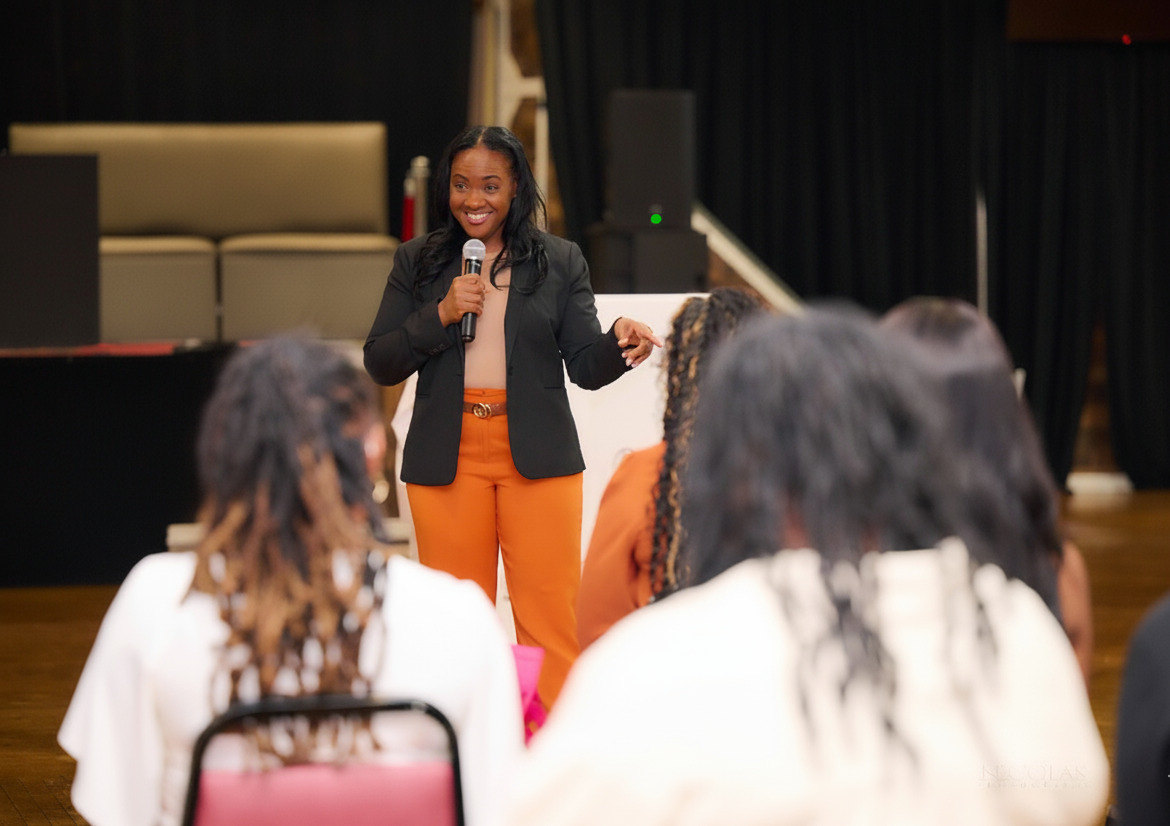
Tailored workshops and training sessions play a crucial role in nurturing leadership abilities. This blog will dive into the various types of leadership development programs offered, such as training on presence, influence, time management, and strategic thinking. It will discuss the power of experiential learning and how interactive workshops help participants grow in their roles and perform at their best. The post will also cover how organizations can use leadership training to improve team collaboration, employee engagement, and overall performance.
Leadership development is not a perk. It is a strategic approach that shapes how leaders think, decide, and perform, and how the organization delivers results. Effective programs should go beyond ‘training days.’
Leadership Development Is a Business Strategy
Leadership development only works when it is built as a strategy, not a calendar event. Well-designed programs create a direct line between business priorities and leader behavior. They sharpen how leaders set direction, manage time, run meetings, and hold others accountable. Studies show that focused leadership training can raise job performance, leadership behaviors, and overall organizational outcomes (research.com).
Targeted employee development also shows clear business returns. Research links effective training and development to gains in productivity and profitability, not just “better soft skills” (Employee Training Stats)
In simple terms, leadership development is a business investment. Organizations fund it to reduce execution risk, accelerate change, and build a stronger pipeline of leaders ready for the next level.
From Events to Real Behavior Change
Many organizations run programs that look impressive on paper but fail to change how leaders work on Monday morning. The issue is design, not intention. High-impact leadership development programs use experiential learning. Leaders practice the actual skills they need: presence in high-stakes meetings, influence without title, disciplined time management, and strategic thinking under pressure. They get feedback, refine their approach, and apply specific tools to real business challenges instead of generic case studies.
When programs blend short teaching segments with discussions, practice, and on-the-job assignments, leaders begin to shift habits. They experiment with new ways of leading in their current roles. Over time, that repetition turns tools into reflexes. That is where discipline behavior change starts to show up in results.
What Effective Programs Have in Common
Effective leadership development programs look different from organization to organization, but they share several core features:
- Aligned with strategy
The curriculum connects directly to current business priorities, not a generic leadership model. - Built around real roles
Content reflects the decisions and pressures leaders face in their actual jobs, from frontline supervisors to senior managers. - Experiential and interactive
Leaders practice coaching, giving feedback, running meetings, and handling conflict in realistic scenarios, not just through lectures. - Measured and reinforced
Organizations track outcomes such as behavior change, engagement, performance, and retention. They also reinforce new skills through follow-up sessions, coaching, or manager check-ins.
These elements move programs from “good experience” to repeatable system, where leaders gain clarity, confidence, and disciplined ways of working that fit the organization’s culture.
Impact on Engagement, Retention, and Culture
Leadership quality shows up first in how teams feel and perform. It is important to understand that managers need leadership development training too. Research finds that managers account for a large share of the variance in employee engagement. That means the way leaders communicate, set expectations, and support their teams directly shapes productivity, retention, and customer experience.
Effective leadership development programs help managers become better coaches. They learn how to hold clear conversations about performance, give structured feedback, and recognize contributions in a meaningful way. Over time, teams become more engaged, more focused on priorities, and less likely to leave.
This is how culture shifts. You are not just developing individual leaders. You are building a consistent leadership standard that anchors how work gets done.
Turning Development Into a Competitive Edge
Leadership development will not fix a broken business model. But it will determine how quickly your organization can respond, learn, and execute. Organizations that treat leadership development as a strategic capability, not a one-off initiative, can see better decisions, stronger teams, and more reliable performance. They build leaders who know how to align people, resources, and time with what matters most.
For companies ready to compete at a higher level, the question is simple. Not “should we invest in leadership development?” but “are our leadership programs disciplined, practical, and tied directly to the results we expect?” That is where effective leadership development stops being an expense and starts becoming a true driver of business success.





2 Responses
Useful content, good read!
Very informative and educational. Good job